Heat Pump Installation Planning for Sunrooms and Home Additions in Vaudreuil
Planning a heat pump for a sunroom or home addition in Vaudreuil? Understand how insulation, glass exposure, and seasonal use affect your options.

Practical guidance for evaluating HVAC upgrades, replacements, electrical needs, and project scope.
Planning a heat pump for a sunroom or home addition in Vaudreuil? Understand how insulation, glass exposure, and seasonal use affect your options.
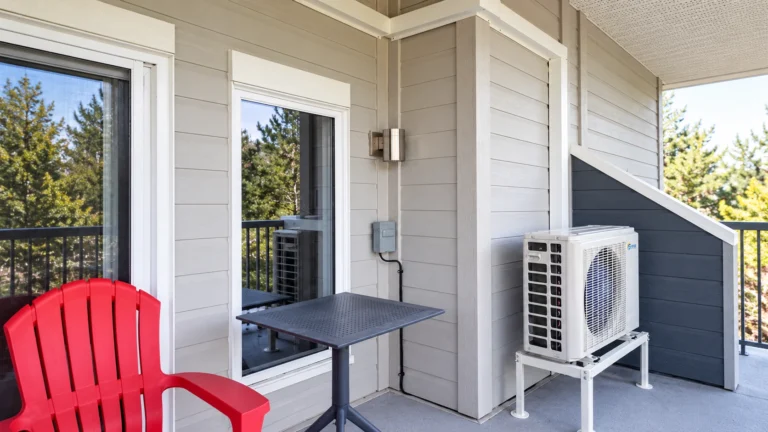
A condo heat pump can affect common elements as well as the private unit. Confirm approvals and the full installation route before ordering.
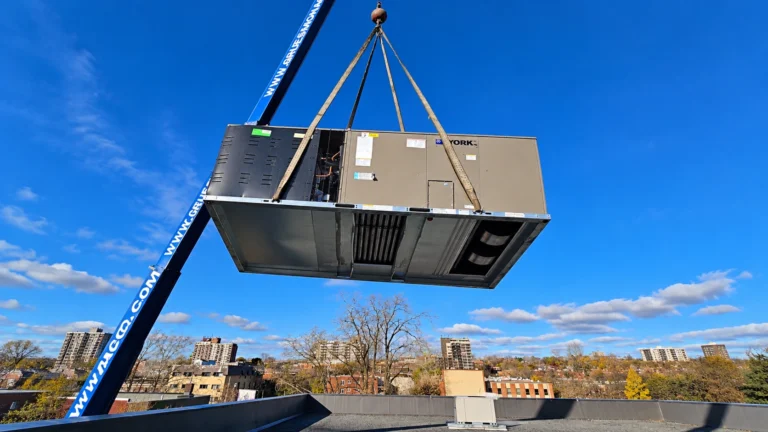
Compare equipment, airflow, controls, commissioning and exclusions before choosing a West Island HVAC plan. Start with an on-site review.
Adding living space changes more than the square footage of a home. A rear extension, second-storey addition, converted garage, or new family room can change the heating and cooling load, airflow requirements, and practical installation routes.
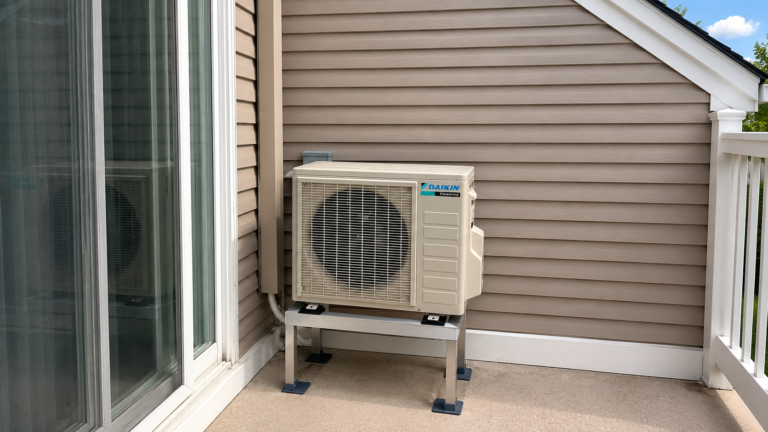
The best time to plan heating and cooling for a finished basement is before the drywall and ceiling are closed. Supply ducts, return air, refrigerant lines, condensate drainage, electrical wiring, and indoor-unit placement are much easier to coordinate while the structure is still accessible.
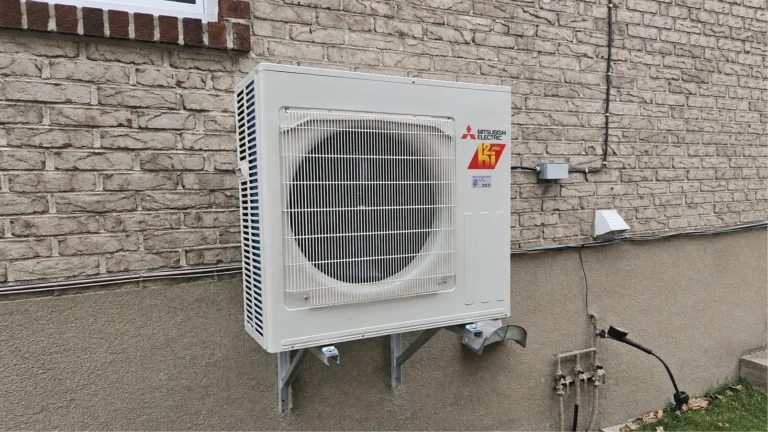
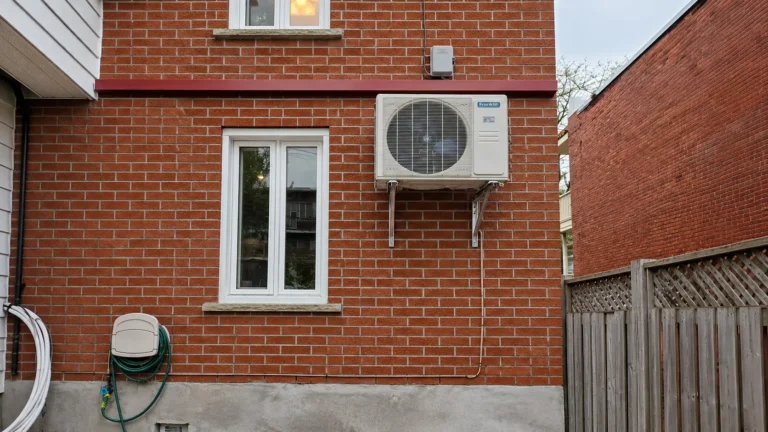
A wall-mounted heat pump installation is not only about choosing where the indoor and outdoor units should sit. Refrigerant lines, electrical wiring, condensate drainage, wall penetrations, and exterior covers all need a practical route between them, and planning that route before installation can make a major difference to both appearance and functionality
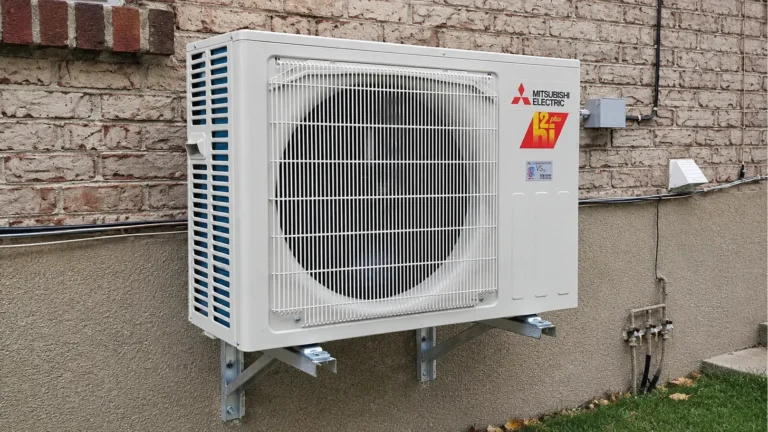
Installing a wall-mounted or multisplit heat pump does not automatically mean your electric baseboards should be removed. In many Lachine homes, keeping selected baseboards available can provide useful backup heat and better room-by-room comfort, especially in closed bedrooms, basements, or areas outside the heat pump’s normal airflow path.
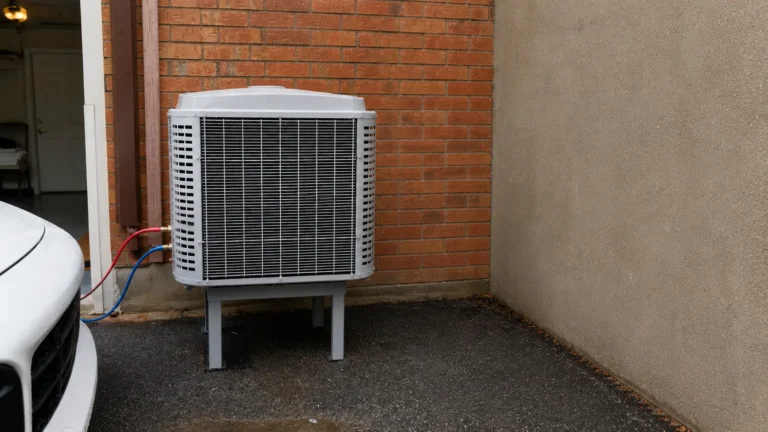
Replacing a central air conditioner involves more than installing a new outdoor unit in the same location. Proper sizing, indoor coil compatibility, furnace airflow, electrical capacity, refrigerant lines, drainage, and system controls should all be checked before equipment is selected.

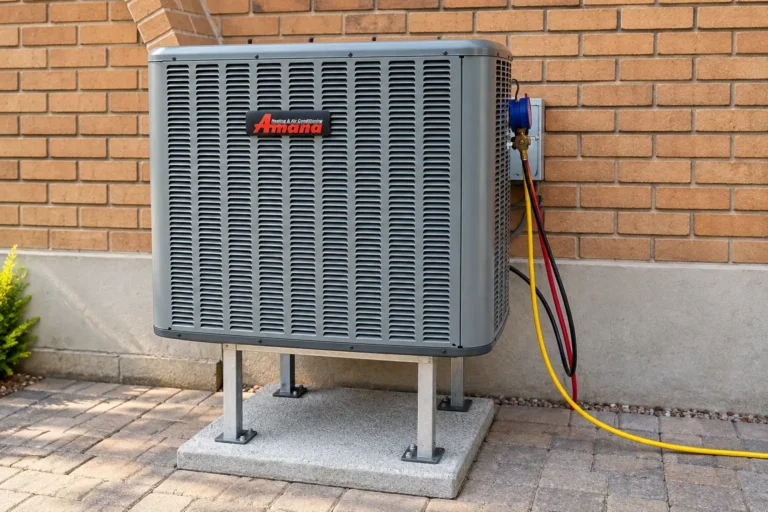
Good heat pump outdoor unit placement must account for snow, unrestricted airflow, roof runoff, defrost water, noise, vibration and future service access.
There is no universal clearance or mounting height for every heat pump. The correct location depends on the selected model, manufacturer instructions, mounting method and conditions around the home.

Not every heat pump installation requires an electrical panel upgrade. The answer depends on the selected equipment, the home’s total electrical load, available panel space, service capacity, and whether the system includes electric auxiliary heating.