
By Tarik, Senior HVAC Specialist at Air Climatisation VS
Quick Takeaway
Not every heat pump installation requires an electrical panel upgrade. The answer depends on the selected equipment, the home’s total electrical load, available panel space, service capacity, and whether the system includes electric auxiliary heating.
Installing a heat pump adds a new electrical load to the home. The HVAC and electrical requirements should therefore be reviewed together before the equipment is ordered.
Why Electrical Capacity Matters When Installing a Heat Pump
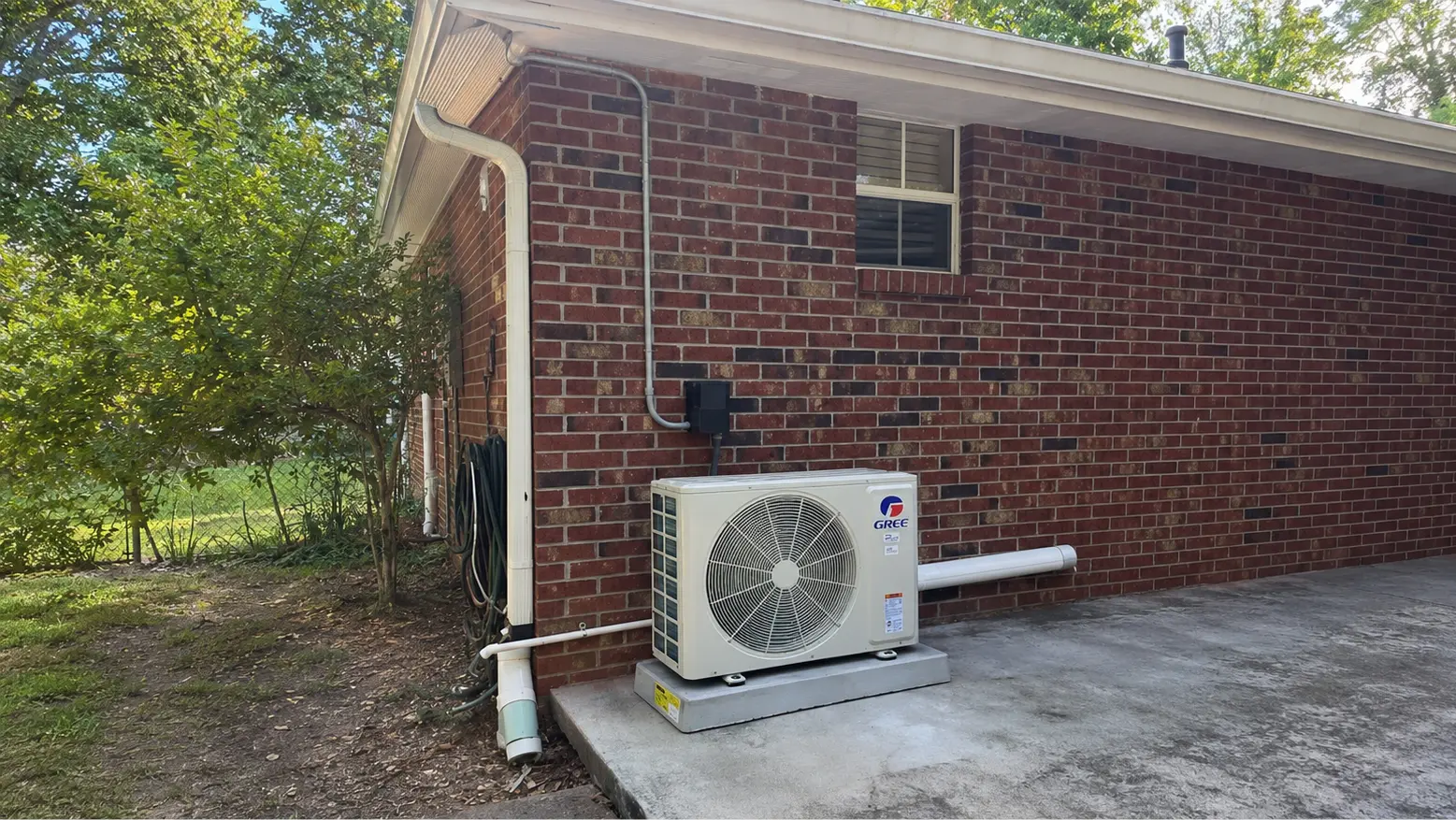
Depending on its configuration, a heat pump installation can require one or more dedicated electrical circuits. The project may involve an outdoor unit, one or more indoor units, an air handler, controls, and auxiliary heating equipment.
The electrical requirements can differ significantly between a small wall-mounted heat pump and a central system serving the entire house.
The age of the home does not provide the complete answer. Some older Laval homes have sufficient electrical capacity, while newer properties may already have significant demand from electric heating, an EV charger, pool equipment, or other major appliances.
Panel Space and Service Capacity Are Not the Same
Homeowners sometimes look at their electrical panel, notice an unused breaker position, and assume there is enough capacity for a heat pump. An empty position does not confirm that the complete electrical service can support the new equipment.
Think of the panel as a parking lot. An empty parking space shows where another vehicle could be placed, but it does not tell you whether the surrounding road can handle more traffic.
Several separate factors must be considered:
- Available breaker positions
- Panel and main-breaker rating
- Electrical service capacity
- Existing household loads
- The heat pump’s dedicated-circuit requirements
- Auxiliary heating or air-handler requirements
The Régie du bâtiment du Québec explains that when a significant new load is added to an existing electrical installation, an updated calculation may be required to determine whether the upstream electrical infrastructure remains sufficient.
In some cases, the existing system can support the additional load without modification. In others, the calculated load may require electrical infrastructure changes.
What Determines Whether an Upgrade Is Needed?
The Type and Capacity of the Heat Pump
A heat pump installation may require one or more dedicated electrical circuits. A compact wall-mounted system will not necessarily have the same requirements as a central heat pump with an air handler or electric auxiliary heating.
The equipment’s nameplate and installation documentation identify requirements such as supply voltage, minimum circuit ampacity, and maximum overcurrent protection. A master electrician uses those specifications and the applicable electrical rules to determine the appropriate circuits, conductors, breakers, and disconnects.
Homeowners considering a ductless system can review available wall-mounted heat pump installation options. For homes with suitable ductwork, central HVAC installation planning should account for the outdoor unit, indoor equipment, controls, and any auxiliary heating.
The Home’s Other Electrical Loads
A heat pump does not operate in isolation. The electrical assessment must also account for equipment already connected to the home, which may include:
- Electric baseboard heating
- An electric furnace
- Water heating
- Cooking and laundry appliances
- An EV charger
- Pool or spa equipment
- Workshop equipment
- Electric auxiliary heating for a central system
Two Laval homes with panels that look similar may therefore have very different available capacity.
The Existing Heating Configuration
Electrical demand can also change according to what the heat pump will replace or supplement.
A wall-mounted heat pump installed in a home with electric baseboards creates a different configuration from a central heat pump connected to an existing gas furnace. A central system with electric auxiliary heating may require additional electrical capacity beyond what is needed by the outdoor unit itself.
This is why equipment selection and electrical planning should happen together.
Does a 100-Amp Service Automatically Need an Upgrade?
No. A 100-amp service does not automatically prevent a homeowner from installing a heat pump, just as a 200-amp service does not automatically guarantee that every proposed system can be added.
The answer depends on the calculated load, existing equipment, proposed heat-pump configuration, and applicable electrical requirements. A home with relatively modest electrical demand may have room for the new equipment. Another home with the same service rating may already be close to its available capacity.
It is better to work from an appropriate load calculation than from a general rule based only on the number printed on the main breaker.
Panel Upgrade Versus Service Upgrade
These terms are often used as if they mean the same thing, but they can describe different work.
A panel replacement may address the condition, configuration, or number of breaker positions in the panel. A service upgrade increases the electrical capacity available to the property and may involve additional equipment or coordination beyond the panel itself.
In some situations, neither is required. In others, a master electrician may recommend circuit changes, a panel modification, load-management measures, or a complete service upgrade. The appropriate solution depends on the installation and the electrical calculation.
What Happens During a FREE HVAC Estimation Visit?
During an on-site estimation, the HVAC specialist can review the type of heat pump being considered, the home’s current heating system, equipment locations, and visible electrical information.
The visit can help identify:
- Whether the project involves a wall-mounted, multisplit, or central system
- The proposed equipment’s electrical requirements
- Visible panel information and available breaker positions
- Whether electric auxiliary heating may be needed
- Other major electrical loads that should be discussed
- Whether a formal electrical assessment should be included in the project plan
An HVAC estimation does not replace a formal electrical load calculation when one is required. It helps connect the HVAC design with the electrical work so that a possible limitation is identified before installation day.
Any required electrical connection or modification must be completed by an appropriately licensed electrical contractor. The RBQ specifically notes that electrical connections for heating equipment must be performed by a master electrician.
Plan the HVAC and Electrical Work Together
The electrical panel should not be treated as an afterthought. Identifying the requirements early makes it easier to choose appropriate equipment, coordinate qualified trades, and understand the complete installation plan.
It also prevents homeowners from selecting a heat pump based only on heating capacity, appearance, or promotional specifications before confirming that the complete system can be installed properly.
Frequently Asked Questions
Does every heat pump installation require an electrical panel upgrade?
No. Many heat pumps can be installed using the existing panel and electrical service. The decision depends on the equipment specifications, available circuit space, total calculated load, and the condition of the existing electrical installation.
Can a heat pump be installed in a Laval home with 100-amp service?
Possibly. The service rating by itself is not enough to provide a reliable answer. The proposed heat pump, auxiliary heating, and other major electrical loads must be considered through an appropriate electrical assessment.
Who should evaluate and complete the electrical work for a heat pump?
An HVAC specialist can identify the proposed equipment requirements and flag possible electrical concerns during the estimation process. A licensed electrical contractor must perform any required load calculation, wiring, electrical connection, panel modification, or service upgrade.
Book a FREE HVAC Estimation Visit
Planning a heat pump installation in Laval? Book a FREE HVAC Estimation Visit with Air Climatisation VS to review your home, compare suitable equipment options, and identify electrical considerations before the installation plan is finalized.