
By Tarik, Senior HVAC Specialist at Air Climatisation VS
Quick Takeaway
Replacing a central air conditioner involves more than installing a new outdoor unit in the same location. Proper sizing, indoor coil compatibility, furnace airflow, electrical capacity, refrigerant lines, drainage, and system controls should all be checked before equipment is selected.
For homeowners in Dorval, reviewing the complete central system can prevent a new air conditioner from being limited by older components elsewhere in the home.
Central AC Replacement Is a Whole System Project
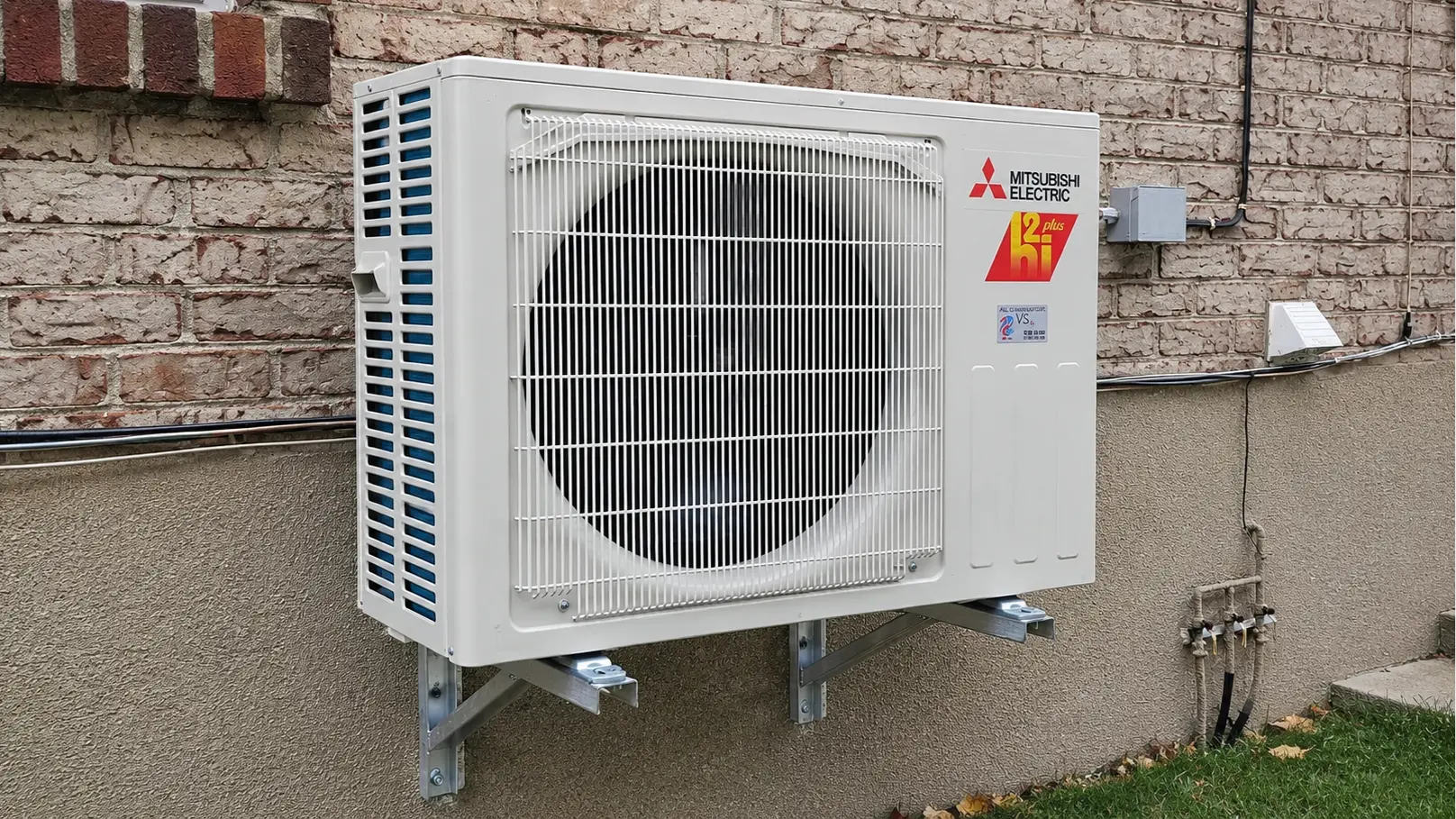
The outdoor condenser is the most visible part of a central air conditioning system, but it does not work alone. It depends on an indoor evaporator coil, a furnace or air handler, a blower motor, refrigerant lines, ductwork, electrical components, controls, and drainage.
Replacing only the outdoor unit without checking these connected parts is similar to installing a new engine without confirming that the transmission, cooling system, and electronics can support it. The equipment may turn on, but that does not mean the complete system will operate correctly or efficiently.
Many detached homes, bungalows, and split level houses in Dorval already have central ductwork. That can make central AC replacement relatively straightforward, but only after the existing system has been properly assessed.
Start With the Home’s Current Cooling Needs
A replacement air conditioner should not automatically match the capacity printed on the old outdoor unit.
The previous system may have been:
- Oversized when originally installed
- Selected before renovations or additions
- Installed before insulation or windows were upgraded
- Sized without a detailed evaluation
- Compensating for ductwork or airflow problems
A proper assessment considers the home’s size, layout, insulation, window area, sun exposure, air leakage, occupancy, and existing duct system.
Why Bigger Is Not Always Better
An oversized air conditioner may cool the house too quickly and shut down before removing enough humidity. The thermostat may show the correct temperature while the rooms still feel damp or uncomfortable.
Frequent starting and stopping can also create uneven temperatures and unnecessary equipment cycling.
An undersized system has the opposite problem. It may run for long periods while struggling to maintain the desired indoor temperature.
Correct sizing helps the air conditioner operate in longer, steadier cycles that support both temperature control and humidity removal.
Check the Indoor Evaporator Coil
The evaporator coil is normally located inside the furnace cabinet or air handler. Refrigerant moves between this indoor coil and the outdoor condenser.
The replacement condenser and existing indoor coil must be compatible in capacity, refrigerant requirements, pressure ratings, and manufacturer approved combinations. An older indoor coil should not automatically be retained simply because it still fits inside the cabinet.
A mismatched coil can affect:
- Cooling capacity
- Refrigerant performance
- Humidity removal
- Energy efficiency
- System reliability
- Manufacturer documentation or warranty conditions
In some projects, replacing the outdoor unit and indoor coil together creates a properly matched system. In others, additional components may also need to be reviewed.
Homeowners considering broader changes can read about central heat pump planning for homes with existing ductwork, where the same compatibility principles apply.
Confirm the Furnace Blower Can Move Enough Air
The air conditioner produces cooling at the indoor coil, but the furnace blower is responsible for moving that cooled air through the ductwork.
If the blower cannot provide the required airflow, the new outdoor unit cannot deliver its expected performance. Possible results include uneven cooling, excessive equipment cycling, coil freezing, increased noise, and reduced comfort in distant rooms.
The assessment should consider:
- Blower capacity
- Available fan speed settings
- Motor type and condition
- Filter resistance
- Supply air volume
- Return air capacity
- Static pressure inside the duct system
A new condenser cannot correct a central airflow problem by itself. The entire air distribution system needs to support the equipment.
Review the Existing Ductwork
Dorval homes may have original duct systems that have been modified over time. Finished basements, additions, converted rooms, and interior renovations can all change how air moves through the building.
The ductwork should be reviewed for:
- Damaged or disconnected sections
- Restricted supply ducts
- Undersized return air openings
- Closed or poorly positioned registers
- Air leakage at joints
- Insulation problems in unconditioned areas
- Weak airflow to upper floors or distant rooms
Think of the duct system as the road network used by conditioned air. Installing a more capable air conditioner does little if the roads are blocked, leaking, or too narrow for the required traffic.
Minor airflow adjustments may be enough in some homes. Other properties may need targeted duct modifications before a replacement system can perform properly.
Air Climatisation VS provides central HVAC installation and replacement planning that considers equipment, airflow, and ductwork as one connected system.
Inspect the Refrigerant Lines
Refrigerant lines connect the indoor evaporator coil to the outdoor condenser. Existing lines may sometimes be reused, but that decision should be based on their condition and the technical requirements of the replacement equipment.
The installer should check:
- Line diameter
- Total line length
- Vertical rise between components
- Physical damage or corrosion
- Insulation condition
- Previous refrigerant type
- Accessibility along the route
- Manufacturer requirements
Reusing the wrong line size can affect refrigerant flow and system performance. Contamination, hidden damage, or deteriorated insulation may also create problems after installation.
The correct approach depends on the equipment combination and the actual condition of the existing lines, not simply whether they are already present.
Verify Electrical Capacity and Safety Components
A replacement central air conditioner needs a correctly sized electrical circuit and outdoor disconnect.
Before installation, the contractor should review:
- Breaker size
- Wire gauge
- Outdoor disconnect
- Electrical panel capacity
- Equipment voltage
- Manufacturer electrical specifications
- Condition of existing wiring
A newer unit may have different electrical requirements than the equipment being removed, even when both systems have a similar cooling capacity.
The existing breaker should not be changed simply to make it match the new unit. The complete circuit and conductor size must support the equipment safely.
Plan the Outdoor Unit Location
The easiest installation location is not always the best long term location.
The outdoor condenser needs enough open space to draw in and discharge air. Its placement should also allow future inspection, cleaning, and service without requiring major changes to landscaping or surrounding structures.
Important placement factors include:
- Manufacturer required clearances
- Distance from walls, fences, and shrubs
- Roof runoff
- Surface drainage
- Snow accumulation
- Service access
- Window and bedroom proximity
- Neighbouring properties
- Vibration transfer
- Stability of the mounting base
The unit should sit on a stable, level support. Water from roof edges, downspouts, or low areas of the yard should not drain directly toward the equipment.
Check Condensate Drainage
During cooling, moisture from the indoor air collects on the evaporator coil. This water must drain safely away from the furnace or air handler.
The condensate system should be inspected for:
- Proper slope
- Blockages
- Loose connections
- Damaged tubing
- Drain termination
- Overflow protection where appropriate
- Evidence of previous leakage
Drainage may seem like a minor part of the project, but a poorly installed drain can cause water damage around the furnace, mechanical room, or finished basement.
Review the Thermostat and System Controls
An existing thermostat may be suitable for the replacement air conditioner, but compatibility should still be confirmed.
The controls need to coordinate the outdoor condenser, indoor blower, furnace, and any accessories connected to the central system. Homes with humidifiers, air cleaners, zoning controls, or smart thermostats may require additional review.
When replacing an air conditioner with a central heat pump, control requirements become more important because the system may need to manage cooling, heat pump heating, backup heat, defrost operation, and equipment staging.
Compare Central AC With a Central Heat Pump
A homeowner replacing an older central air conditioner may want to compare two options:
- Install another central air conditioner for cooling only.
- Install a central heat pump that provides both cooling and heating.
The right choice depends on the existing furnace, ductwork, electrical capacity, comfort goals, equipment compatibility, and planned heating strategy.
A central heat pump may reduce reliance on the furnace during suitable outdoor conditions, while the furnace can remain available as backup heat when the system is designed for dual fuel operation.
Current incentive eligibility should be checked before equipment is selected. Programs such as LogisVert can change, and eligibility depends on the equipment, building, installation, documentation, and current program rules. A conventional central air conditioner should not be assumed to qualify simply because it is energy efficient.
Homeowners still deciding between replacement and a broader upgrade can also review the guide to upgrading an aging HVAC system.
Commission the New System After Installation
A central air conditioner is not fully installed when the outdoor unit has merely been connected and switched on.
Commissioning should confirm that the complete system operates according to the equipment requirements. Depending on the installation, this may include checking:
- Refrigerant charge
- Airflow
- Temperature difference across the indoor coil
- Static pressure
- Electrical readings
- Thermostat operation
- Condensate drainage
- Outdoor fan operation
- System cycling
- Unusual vibration or noise
These final measurements help verify that the equipment is operating as part of a properly configured system rather than simply producing cold air at the nearest register.
What to Expect During a Central AC Estimation Visit
A useful estimation visit should examine more than the model number on the existing condenser.
For a Dorval home, the assessment may include:
- Reviewing the home’s size and layout
- Discussing hot, humid, or uneven rooms
- Inspecting the furnace or air handler
- Checking the indoor coil
- Reviewing blower and duct capacity
- Inspecting refrigerant lines
- Confirming electrical requirements
- Evaluating the outdoor installation area
- Comparing central AC and heat pump options
- Identifying work that should be included in the written estimate
Air Climatisation VS has completed 9,500 successful installations. That experience helps the team evaluate how equipment selection, airflow, electrical work, and installation details need to come together before a replacement is recommended.
Frequently Asked Questions
Can I replace only the outdoor central AC unit?
Sometimes, but the replacement condenser must be compatible with the indoor coil, blower, refrigerant lines, controls, and electrical system. An on site assessment is needed to determine which existing components can reasonably remain.
Should the new air conditioner have the same capacity as the old one?
Not automatically. The old system may have been incorrectly sized, or the home may have changed since it was installed. Current cooling needs, insulation, windows, layout, ductwork, and airflow should be reviewed before selecting capacity.
Is a central heat pump better than another central air conditioner?
A central heat pump provides both cooling and heating, while a conventional central air conditioner provides cooling only. The better option depends on the existing furnace, electrical capacity, ductwork, heating strategy, equipment compatibility, and current incentive eligibility.
Plan Your Central AC Replacement in Dorval
A successful central AC replacement starts with the complete system, not only the outdoor condenser. Proper sizing, matched indoor equipment, sufficient airflow, suitable refrigerant lines, safe electrical work, drainage, placement, and commissioning all affect how well the new system will perform.