
By Tarik, Senior HVAC Specialist at Air Climatisation VS
Quick Takeaway
Yes, you can sometimes add a central heat pump to an existing furnace, but the furnace cannot be evaluated by itself. Its blower, indoor coil, controls, electrical supply and ductwork must all be compatible with the selected heat pump.
For Laval homeowners, the real question is not simply whether the furnace still operates. It is whether the complete system can deliver the required airflow, coordinate both heating sources and form an approved equipment combination.
Can You Add a Heat Pump to an Existing Furnace?
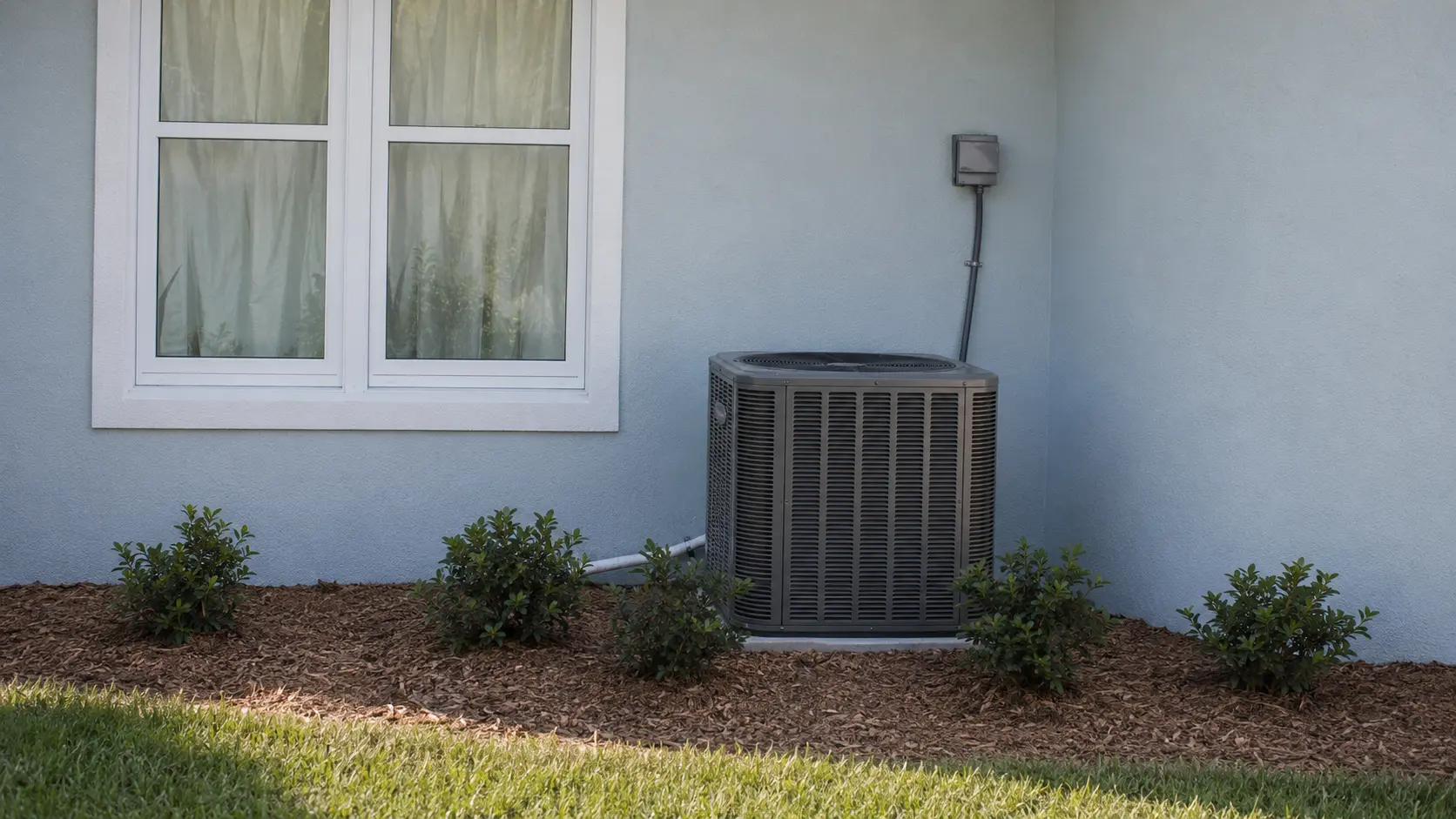
A central heat pump uses an outdoor unit and an indoor coil to heat or cool the air circulating through the home. The furnace blower then moves that conditioned air through the existing ductwork.
During colder conditions, the furnace may serve as the secondary or backup heat source. Depending on the equipment, the furnace may be electric or fuel-fired, and the controls determine when the system changes from heat-pump operation to backup heating.
This arrangement can allow a homeowner to retain a suitable furnace while replacing an aging central air conditioner or adding heat-pump heating. However, existing ducts and an operating furnace do not automatically make the project compatible.
Think of the system as a team. The outdoor unit may be new, but it cannot deliver its expected performance if the indoor coil, blower, controls or ducts cannot work with it.
For a broader overview of this system type, see our guide to central heat pump planning in Pointe-Claire.
Start With the Condition of the Existing Furnace
Before keeping the furnace, its operating condition and likely replacement timeline should be considered.
A furnace may still produce heat while having a blower, control board or cabinet configuration that is poorly suited to the proposed heat pump. Retaining it can also create two different equipment timelines: the heat pump is installed now, but the furnace may require a separate planned replacement later.
That does not automatically mean the furnace should be replaced. It means the homeowner should compare the immediate benefit of keeping it with the practical consequences of integrating new and existing equipment.
Our guide to upgrading an aging HVAC system explains how to evaluate a planned upgrade without assuming that every component must be replaced at once.
Determine the furnace’s backup-heating role
The type of furnace affects how the combined system will operate.
With an electric furnace, the control strategy may use electric heat when the heat pump needs assistance. With a fuel-fired furnace, the system normally requires a carefully planned changeover between the heat pump and the furnace.
The selected thermostat or control system must know which heat source to operate, when to change stages and how to respond during defrost. The correct sequence depends on the specific equipment. Homeowners should not assume that the heat pump and furnace will always run together or that every combination uses the same outdoor-temperature setting.
Check the Furnace Blower Capacity
The furnace blower must move enough air across the new indoor coil and through the home’s ductwork. This is one of the most important compatibility checks.
A furnace model number or heating capacity does not prove that the blower can support a particular heat pump. Actual airflow depends on several factors:
- The blower motor and available fan settings
- The resistance created by the indoor coil
- Filter type and condition
- Supply and return duct dimensions
- Closed dampers or registers
- Zoning components
- The system’s total static pressure
Static pressure can be compared to blood pressure in an air-distribution system. The blower has to work against resistance from filters, coils, ducts, fittings and grilles. If that resistance is too high, the system may move less air than its nominal blower rating suggests.
This matters because insufficient airflow can reduce comfort, affect coil operation and prevent the heat pump from delivering its intended capacity. The blower therefore needs to be evaluated under the conditions in which it will actually operate, not only by reading its maximum published rating.
Confirm Indoor Coil and Equipment Compatibility
The indoor coil is the connection point between the refrigerant system and the home’s airflow. An existing air-conditioning coil should not be assumed compatible with a new heat pump simply because it fits above the furnace.
The assessment should confirm:
- The coil is approved for the selected outdoor unit
- Its capacity and refrigerant requirements are compatible
- The metering device is suitable
- The coil cabinet fits the furnace and supply plenum
- Condensate drainage can be installed correctly
- The furnace blower can move the required air through the coil
Physical fit is only part of the decision. An outdoor unit, indoor coil and retained furnace may need to appear as a certified combination to establish the system’s rated heating, cooling and efficiency performance.
The AHRI Certification Directory allows equipment combinations to be checked using outdoor-unit, indoor-unit and furnace model information. Manufacturer documentation must also be reviewed because some systems require specific controls, coils or indoor equipment.
This is especially important with variable-capacity or communicating equipment. A proprietary control system may not provide all of its intended functions when connected to an unrelated older furnace.
Evaluate the Supply and Return Ductwork
A Laval home may already have central ductwork, but that does not mean every part of the network is ready for the new heat pump.
A furnace can deliver relatively hot air for shorter periods. A heat pump generally supplies heat differently, often using longer cycles and a higher volume of moderately warm air. The duct system must distribute that airflow without excessive restriction, noise or major temperature differences between rooms.
Check the supply side
The supply-side review should consider duct dimensions, long branch runs, dampers, registers and any existing zoning equipment. A restricted run to an upstairs bedroom, for example, will not be corrected merely by installing a larger outdoor unit.
For larger houses or layouts with uneven room loads, our article on central HVAC planning in Beaconsfield provides a broader explanation of airflow, sizing and whole-home comfort.
Do not overlook return air
The return side is just as important. The blower cannot supply more air than the system can bring back.
Small return ducts, restrictive grilles, dense filters and closed interior doors can limit circulation. Pressure differences between floors or rooms may also affect comfort.
The return-air system should therefore be assessed as part of the heat-pump retrofit. Adding equipment without addressing a restrictive return is like installing a stronger pump while leaving its intake partly blocked.
Plan the Thermostat, Controls and Staging
A conventional thermostat may not support every proposed heat-pump and furnace configuration.
The control plan must account for:
- Heat-pump heating and cooling
- Multiple compressor or furnace stages
- Auxiliary or backup heat
- Outdoor-temperature changeover, when applicable
- Heat-pump defrost operation
- Blower-speed control
- Communicating equipment requirements
For some systems, a compatible thermostat and additional wiring may be sufficient. Other systems use manufacturer-specific controls that coordinate compressor capacity, blower speed and backup heat.
The goal is not simply to make both pieces of equipment turn on. The goal is to establish a predictable operating sequence that prioritizes the heat pump appropriately while keeping the furnace available when the planned backup strategy calls for it.
Review the Electrical Requirements
Adding a central heat pump introduces electrical requirements that may not exist with the current furnace and air conditioner.
The review may include:
- A dedicated circuit for the outdoor unit
- An outdoor disconnect
- Electrical-panel capacity
- Control wiring between indoor and outdoor equipment
- Power requirements for the indoor coil or condensate components
- Additional capacity for electric auxiliary heat, if included
Required circuit sizes depend on the selected equipment and its installation documentation. They should not be estimated from heat-pump capacity alone.
The electrical review should happen before equipment is finalized. Discovering a panel limitation after selecting the system can force avoidable changes to the project.
When Does Keeping the Existing Furnace Make Sense?
Keeping the furnace may be practical when:
- It remains in suitable operating condition
- Its blower can deliver the required airflow
- A compatible indoor coil can be installed
- An approved heat-pump combination is available
- The controls can coordinate both heating sources
- The ductwork can support the intended airflow
- The replacement timeline still makes sense for the homeowner
Replacing more of the central system may be more practical when the furnace is already approaching a planned upgrade, its blower cannot meet the selected heat pump’s needs, or no suitable approved equipment combination exists.
Cabinet, plenum and control modifications should also be considered. Retaining one component is not necessarily economical if doing so requires extensive compromises elsewhere.
What Should Be Checked During an HVAC Estimation Visit?
Before recommending that the existing furnace stay, an on-site assessment should examine:
- Furnace model, configuration and condition
- Blower specifications and available speeds
- Indoor coil and cabinet dimensions
- Supply and return duct layout
- Airflow and static pressure
- Thermostat and control wiring
- Electrical-panel capacity
- Backup-heating strategy
- Manufacturer-approved equipment combinations
- Future furnace-replacement planning
If LogisVert financial assistance is relevant, eligibility should be checked against the current Hydro-Québec heat-pump requirements. Eligibility depends on the complete equipment combination, installation, documentation and program rules in effect when the project is completed.
Frequently Asked Questions
Can any central heat pump work with my existing furnace?
No. Compatibility depends on the furnace blower, indoor coil, controls, refrigerant system, ductwork and manufacturer-approved equipment combinations. A heat pump should not be selected based only on its nominal capacity or physical connection size.
Will the furnace still provide heat during very cold weather?
It can, if the system is designed with the furnace as the backup heat source. The thermostat and controls must be configured to manage the changeover according to the equipment, heating load and chosen operating strategy.
Do I need to replace my ductwork when adding a heat pump?
Not necessarily. Existing ductwork may be retained if it can supply and return the airflow required by the selected system. Restricted, undersized or poorly balanced sections may need modification even when the rest of the duct network remains usable.